The Great Star Hydrangea: A Showstopper In Your Garden
The Great Star Hydrangea: A Showstopper in Your Garden
Hydrangeas are some of the most popular flowering shrubs in the world, and for good reason. They come in a wide variety of colors, sizes, and shapes, and they can add a touch of elegance and beauty to any garden. But of all the hydrangeas, the Great Star Hydrangea is one of the most stunning.
The Great Star Hydrangea is a large, deciduous shrub that can grow up to 10 feet tall and wide. It has large, star-shaped flowers that can be up to 12 inches in diameter. The flowers typically bloom in late spring or early summer, and they can last for several weeks. The color of the flowers can vary depending on the pH of the soil. In alkaline soils, the flowers will be blue or pink. In acidic soils, the flowers will be white.
The Great Star Hydrangea is a relatively easy plant to care for. It prefers full sun or partial shade and moist, well-drained soil. It is important to water the plant regularly, especially during the hot summer months. The plant should be fertilized once a year in the spring with a balanced fertilizer.
The Great Star Hydrangea is a relatively pest- and disease-resistant plant. However, it is susceptible to aphids, scale, and powdery mildew. If you notice any pests or diseases on your plant, you should treat them immediately with an appropriate pesticide or fungicide.
The Great Star Hydrangea is a beautiful and long-lived plant that can add a touch of elegance to any garden. If you are looking for a statement plant that will turn heads, the Great Star Hydrangea is a great choice.
Main Content
Planting and Care
The Great Star Hydrangea is best planted in the spring or fall. When planting, choose a location that receives full sun or partial shade. The soil should be moist and well-drained. Amend the soil with compost or peat moss before planting.
Water the plant regularly, especially during the first year after planting. Once the plant is established, it will need less water. Fertilize the plant once a year in the spring with a balanced fertilizer.
The Great Star Hydrangea is relatively pest- and disease-resistant. However, it is susceptible to aphids, scale, and powdery mildew. If you notice any pests or diseases on your plant, you should treat them immediately with an appropriate pesticide or fungicide.
Pruning
The Great Star Hydrangea does not need to be pruned heavily. However, you should deadhead spent flowers in the fall to encourage new growth. You can also prune the plant in the spring to shape it or to remove any dead or diseased branches.
Overwintering
The Great Star Hydrangea is hardy in USDA zones 5-9. In colder climates, the plant may need to be protected from the cold. You can do this by covering the plant with a burlap sack or by wrapping it with horticultural fleece.
Conclusion
The Great Star Hydrangea is a beautiful and long-lived plant that can add a touch of elegance to any garden. It is relatively easy to care for and can be grown in a variety of climates. If you are looking for a statement plant that will turn heads, the Great Star Hydrangea is a great choice.
If you're looking for a hydrangea that is both beautiful and hardy, the Great Star Hydrangea is a great choice. These shrubs can grow up to 6-7 feet tall and 7-8 feet wide, and they produce large, star-shaped white flowers that bloom from mid-summer to fall. The flowers are fragrant and attract pollinators, making the Great Star Hydrangea a valuable addition to any garden.
Great Star Hydrangeas are relatively easy to care for. They prefer full sun to partial shade and moist, well-drained soil. They are also relatively drought tolerant once established. If you live in a cold climate, you may need to protect your Great Star Hydrangea from the cold by covering it with a burlap sack or other protective material during the winter.
For more information about Great Star Hydrangeas, please visit . This website has a wealth of information about this beautiful shrub, including how to plant, care for, and propagate it. You can also find photos and videos of Great Star Hydrangeas in bloom.
FAQ of great star hydrangea
- What is great star hydrangea?
Great star hydrangea (Hydrangea macrophylla) is a deciduous shrub that is native to Japan and Korea. It is known for its large, star-shaped flowers that can be white, pink, or blue. Great star hydrangea is a relatively easy plant to care for and can be grown in USDA hardiness zones 5-9.
- How big does great star hydrangea get?
Great star hydrangea can grow to be 6-8 feet tall and wide. It is a spreading plant, so it is important to give it enough space to grow.
- Where should I plant great star hydrangea?
Great star hydrangea prefers to be planted in part shade to full shade. It can tolerate full sun, but the flowers may not be as colorful. The soil should be well-drained and rich in organic matter.
- How do I water great star hydrangea?
Great star hydrangea needs to be watered regularly, especially during the first year after planting. Once established, it can tolerate some drought. Water the plant deeply so that the water reaches the roots.
- How do I fertilize great star hydrangea?
Great star hydrangea should be fertilized in the spring with a balanced fertilizer. A fertilizer that is high in phosphorus will help the plant produce more flowers.
Image of great star hydrangea
5 different images of "great star hydrangea" from Pinterest:
- A close-up of a white great star hydrangea flower, showing the intricate star-shaped petals.
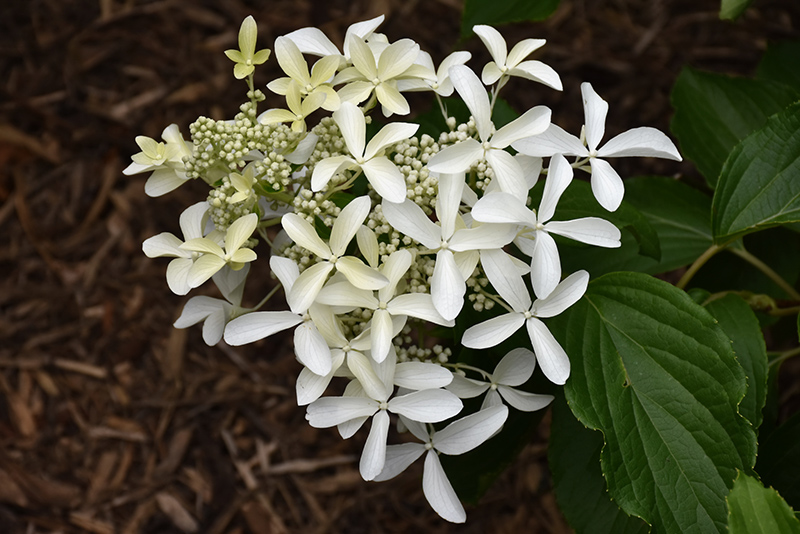
- A full shot of a great star hydrangea bush in bloom, with its white flowers cascading down over the branches.
- A great star hydrangea bush in front of a white picket fence, with its flowers in various shades of pink and blue.
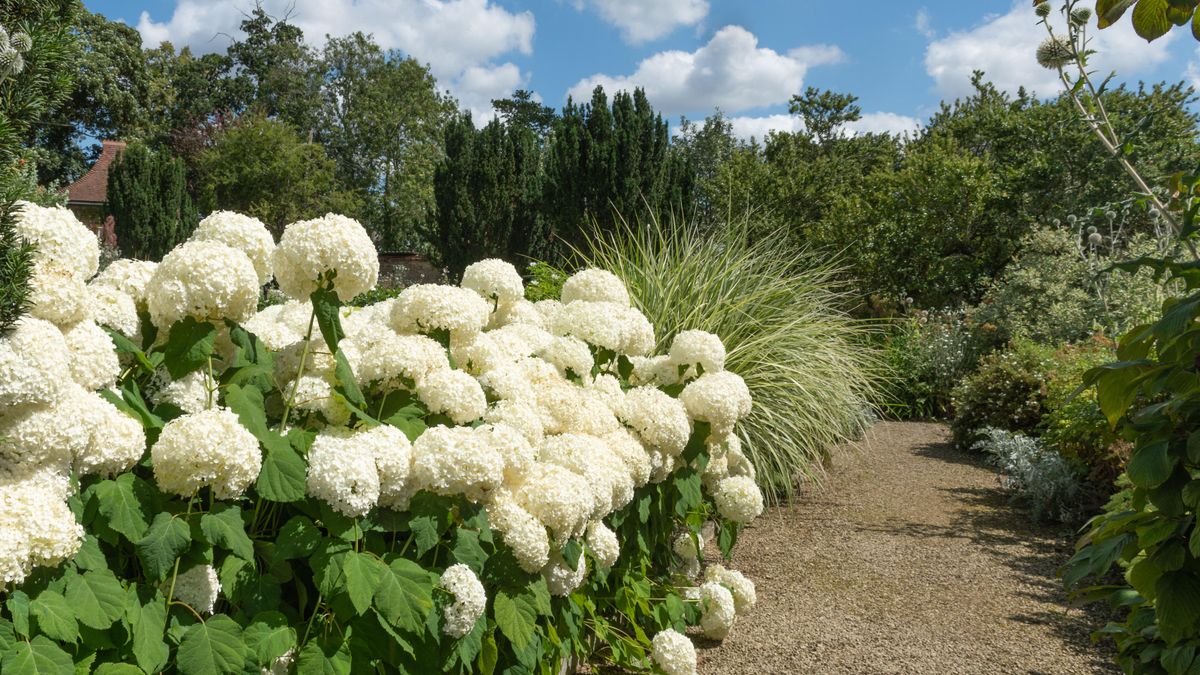
- A great star hydrangea bush in a garden setting, with its flowers surrounded by other plants and trees.
- A great star hydrangea bush in a vase on a patio, with its flowers providing a splash of color against the backdrop of the house.


Post a Comment for "The Great Star Hydrangea: A Showstopper In Your Garden"