The Best Companion Plants For Norfolk Island Pines
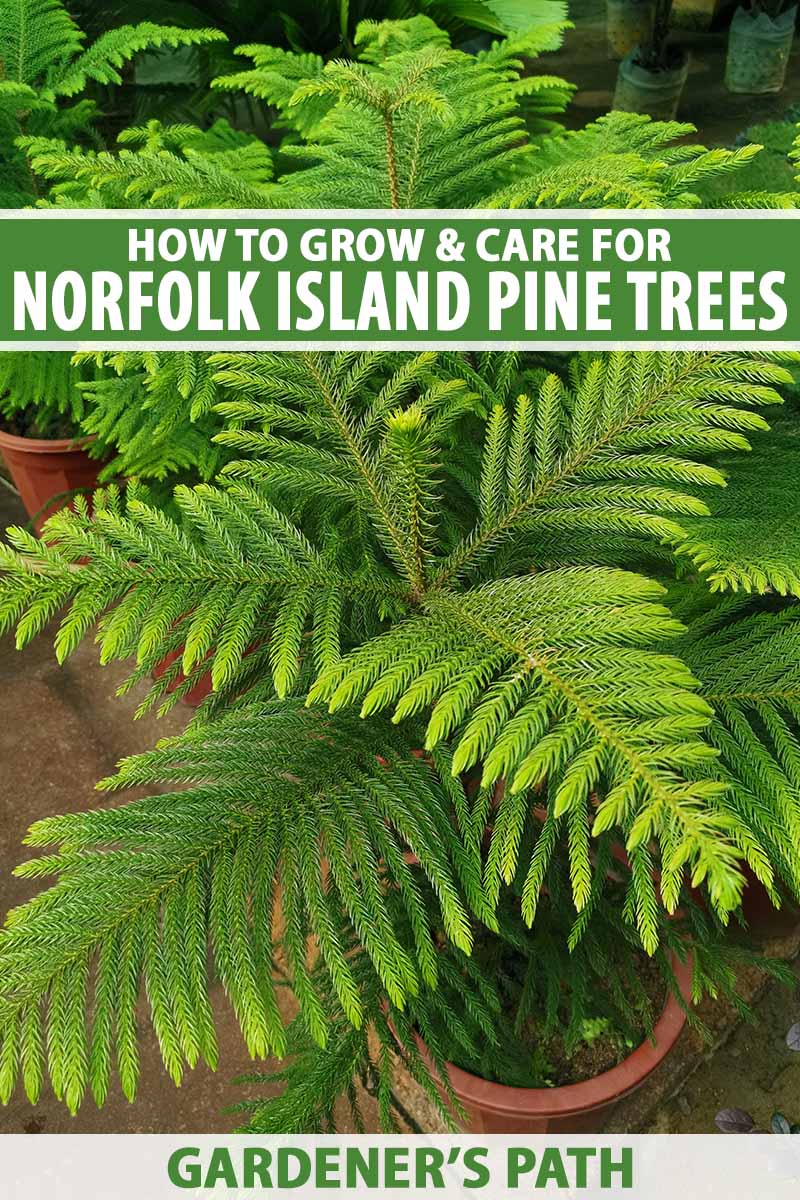
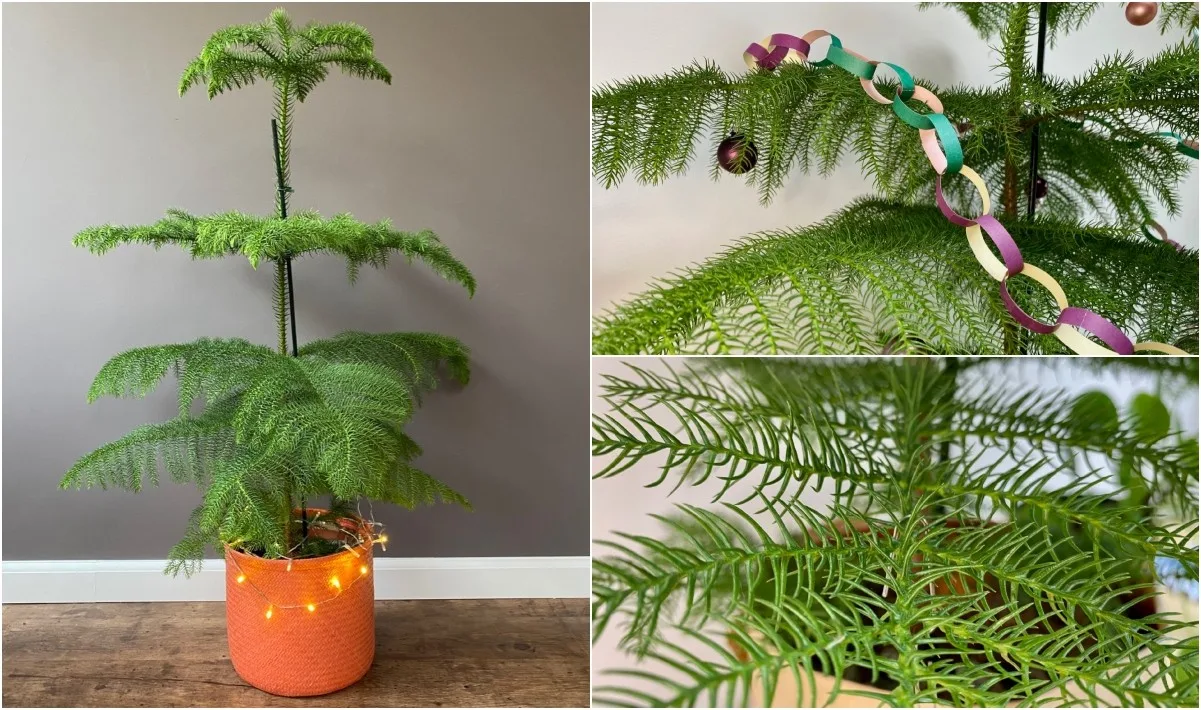
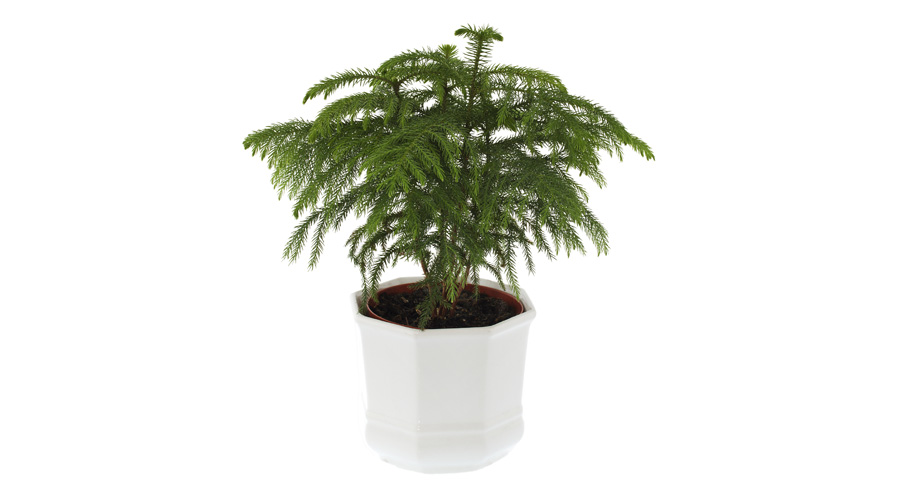
Norfolk Island pines (Araucaria heterophylla) are evergreen coniferous trees that are native to Norfolk Island, a small island in the South Pacific Ocean. They are popular houseplants because they are relatively easy to care for and can grow indoors for many years.
Norfolk Island pines prefer bright, indirect light and moist, well-draining soil. They are susceptible to root rot if the soil is too wet, so it is important to allow the top few inches of soil to dry out between waterings. Norfolk Island pines also benefit from regular misting or watering with a pebble tray.
When choosing companion plants for Norfolk Island pines, it is important to consider their light, water, and humidity requirements. Some good companion plants include:
- Poinsettias. Poinsettias also prefer bright, indirect light and moist soil. They are a good choice for companion plants because they bloom during the winter months, when Norfolk Island pines are dormant.
- Christmas cactus. Christmas cactus also blooms during the winter months and prefers bright, indirect light. It is a good choice for companion plants because it is relatively low-maintenance and can tolerate drier soil than Norfolk Island pines.
- Ferns. Ferns prefer moist soil and high humidity, which are similar to the conditions that Norfolk Island pines prefer. They can add a touch of tropical flair to your plant collection.
- Peace lilies. Peace lilies are tolerant of low light and infrequent watering, making them a good choice for busy plant owners. They also produce white flowers that can add a touch of elegance to your home.
- Aglaonemas. Aglaonemas are a type of foliage plant that comes in a variety of colors and patterns. They are relatively easy to care for and can tolerate low light and infrequent watering.
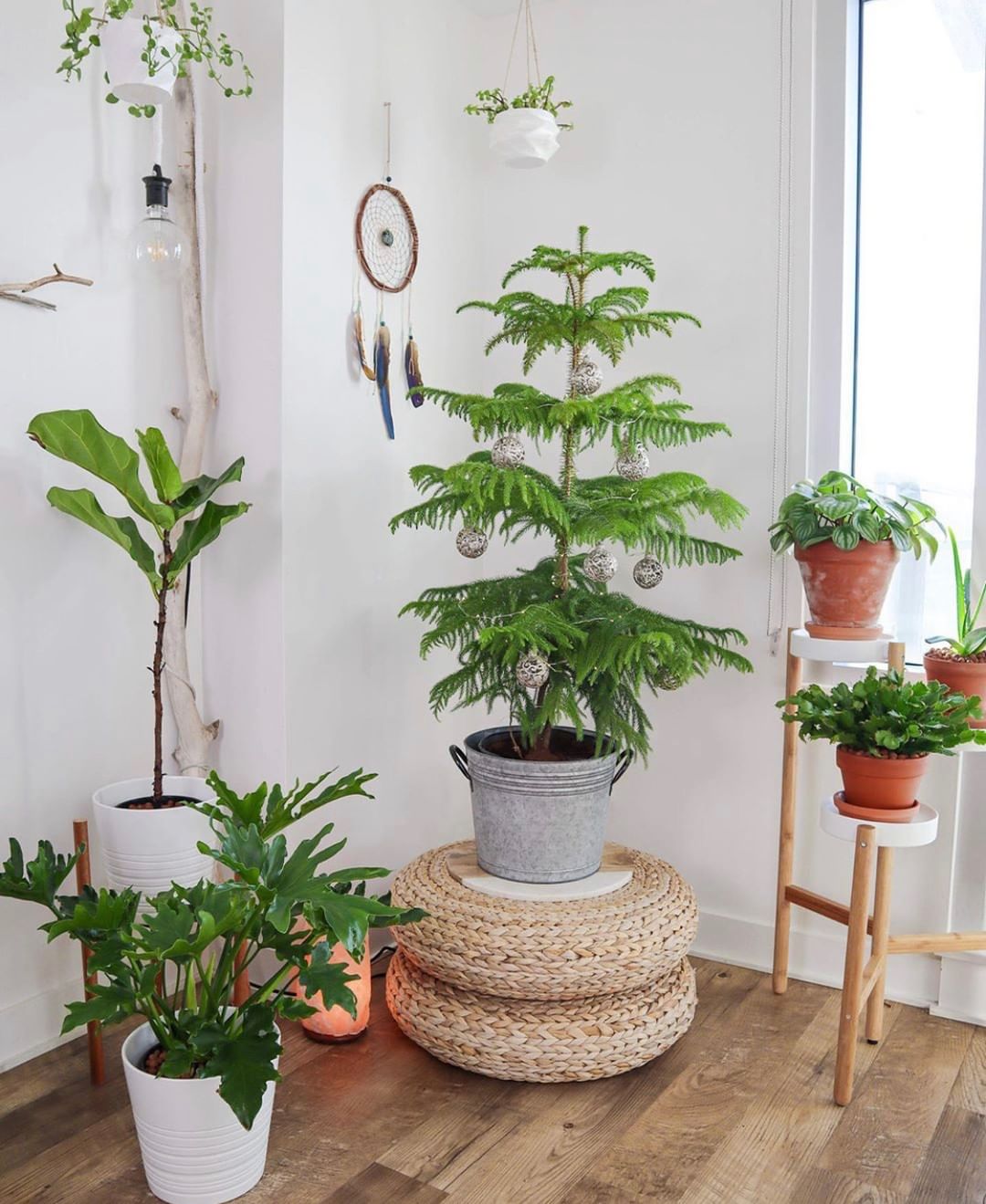
When planting Norfolk Island pines with other plants, it is important to consider the size of the plants as they mature. Norfolk Island pines can grow up to 8 feet tall indoors, so it is important to plant them with other plants that will not outgrow them.
Norfolk Island pines are beautiful evergreen trees that can make a great addition to any home. They are relatively low-maintenance plants, but they do have some specific care requirements. One important factor to consider when caring for a Norfolk Island pine is companion planting. Some plants can help to improve the health and growth of Norfolk Island pines, while others can actually harm them.
If you are looking for companion plants for your Norfolk Island pine, I recommend visiting Gardenia Inspiration. This website has a comprehensive list of plants that are compatible with Norfolk Island pines. You can also find detailed information on the care requirements of each plant.
In addition to providing information on companion planting, Gardenia Inspiration also offers a variety of other resources on Norfolk Island pines. You can find tips on how to care for your plant, troubleshooting guides, and even a forum where you can connect with other Norfolk Island pine enthusiasts.
I highly recommend visiting Gardenia Inspiration if you are interested in learning more about Norfolk Island pines. The website is a valuable resource for anyone who wants to keep their plant healthy and thriving.
FAQ of norfolk island pine companion plants
- What are good companion plants for Norfolk Island pines?
Norfolk Island pines are evergreen trees that can grow up to 60 feet tall in their native habitat. They are relatively easy to care for and can be grown indoors or outdoors. However, they do have some specific requirements, such as needing bright, indirect sunlight and moist soil. When choosing companion plants for Norfolk Island pines, it is important to consider their light and water needs. Some good companion plants for Norfolk Island pines include:
* Schefflera: This plant also prefers bright, indirect sunlight and moist soil. It has glossy, dark green leaves that make a beautiful contrast with the Norfolk Island pine's needles.
* Philodendron: This plant is another good choice for bright, indirect sunlight and moist soil. It has large, heart-shaped leaves that add a tropical touch to any space.
* Snake plant: This plant is very low-maintenance and can tolerate low light conditions. It has long, sword-shaped leaves that add a dramatic touch to any space.
* ZZ plant: This plant is also very low-maintenance and can tolerate low light conditions. It has thick, glossy leaves that add a touch of elegance to any space.
* Pothos: This plant is another good choice for low light conditions. It has trailing vines with heart-shaped leaves that can be used to create a lush, green backdrop for the Norfolk Island pine.
- How far apart should Norfolk Island pines be planted?
When planting Norfolk Island pines, it is important to space them far enough apart so that they have enough room to grow. The exact distance will depend on the size of the trees you are planting. However, as a general rule of thumb, you should plant Norfolk Island pines at least 6 feet apart. This will give them enough room to grow without crowding each other.
- What are some common problems that Norfolk Island pines can have?
Norfolk Island pines are relatively hardy plants, but they can be susceptible to a few problems. Some of the most common problems include:
* Overwatering: Norfolk Island pines do not like wet feet. Overwatering can lead to root rot, which can kill the plant.
* Underwatering: Norfolk Island pines also do not like to dry out completely. Underwatering can lead to leaf drop and other problems.
* Lack of sunlight: Norfolk Island pines need bright, indirect sunlight to thrive. If they do not get enough sunlight, they will become leggy and weak.
* Too much heat: Norfolk Island pines can tolerate warm temperatures, but they should not be exposed to direct sunlight or high heat.
* Too much cold: Norfolk Island pines are not cold-hardy. They should be brought indoors during the winter if temperatures are expected to drop below 40 degrees Fahrenheit.
- How do I propagate Norfolk Island pines?
Norfolk Island pines can be propagated from seed or cuttings. Propagation from seed is the most common method. To propagate from seed, sow the seeds in a well-draining potting mix and keep the soil moist. The seeds should germinate in about 6-8 weeks.
To propagate from cuttings, take a 6-inch cutting from a healthy plant. Remove the bottom leaves from the cutting and dip the end in rooting hormone. Plant the cutting in a well-draining potting mix and keep the soil moist. The cutting should root in about 4-6 weeks.
- How do I care for Norfolk Island pines indoors?
Norfolk Island pines can be grown indoors, but they need special care. Here are some tips for caring for Norfolk Island pines indoors:
* Place the plant in a bright, indirect light location.
* Water the plant regularly, but do not overwater.
* Fertilize the plant every few months with a balanced fertilizer.
* Mist the plant regularly to increase humidity.
* Bring the plant outdoors during the summer months, if possible.
Image of norfolk island pine companion plants
5 different images of "norfolk island pine companion plants" from Pinterest:
- Poinsettia: Both Norfolk Island pines and poinsettias are tropical plants that prefer warm, humid environments. They can also tolerate low light conditions, making them a good pair for indoor arrangements.
- Christmas cactus: Christmas cactus is another tropical plant that is known for its colorful blooms during the holiday season. It has similar care requirements to Norfolk Island pines, and can be grown in the same type of environment.
- Fiddle-leaf fig: Fiddle-leaf figs are known for their large, glossy leaves that add a touch of tropical flair to any space. They are also relatively easy to care for, making them a good choice for beginner plant owners.
- Snake plant: Snake plants are known for their drought-tolerant and low-maintenance nature. They can thrive in a variety of conditions, making them a good choice for busy plant owners or those who live in areas with dry climates.
- ZZ plant: ZZ plants are also known for their low-maintenance care requirements. They are tolerant of low light and infrequent watering, making them a good choice for people who travel frequently or who simply don't have a lot of time to tend to their plants.

Post a Comment for "The Best Companion Plants For Norfolk Island Pines"